Dec 2025 - May 2026
UFLIP’s Multi-Brand Design system stores design tokens for multiple application ecosystems: UFLIP Admin, Buyer, and Flipper. Admin applications were used to manage users, data, and inventory for UFLIP Buyer and Flipper applications. Over the course of this project, I led the design team in research, development, visual styling, and implementation of the design system.
Many of UFLIP’s assets and variables used to build their applications were stored in a variety of locations. In some cases, these resources weren’t documented at all. This led to applications within an ecosystem to be designed and built inconsistently, with the same layouts and components appearing differently from page to page. Additionally, the applications themselves were outdated visually and functionally, having been built and left virtually untouched since 2018.
After isolating these issues, the focus of this project became synchronizing the color, text, and size values used across UFLIP's applications, while giving the design system its’ own unique visual style.
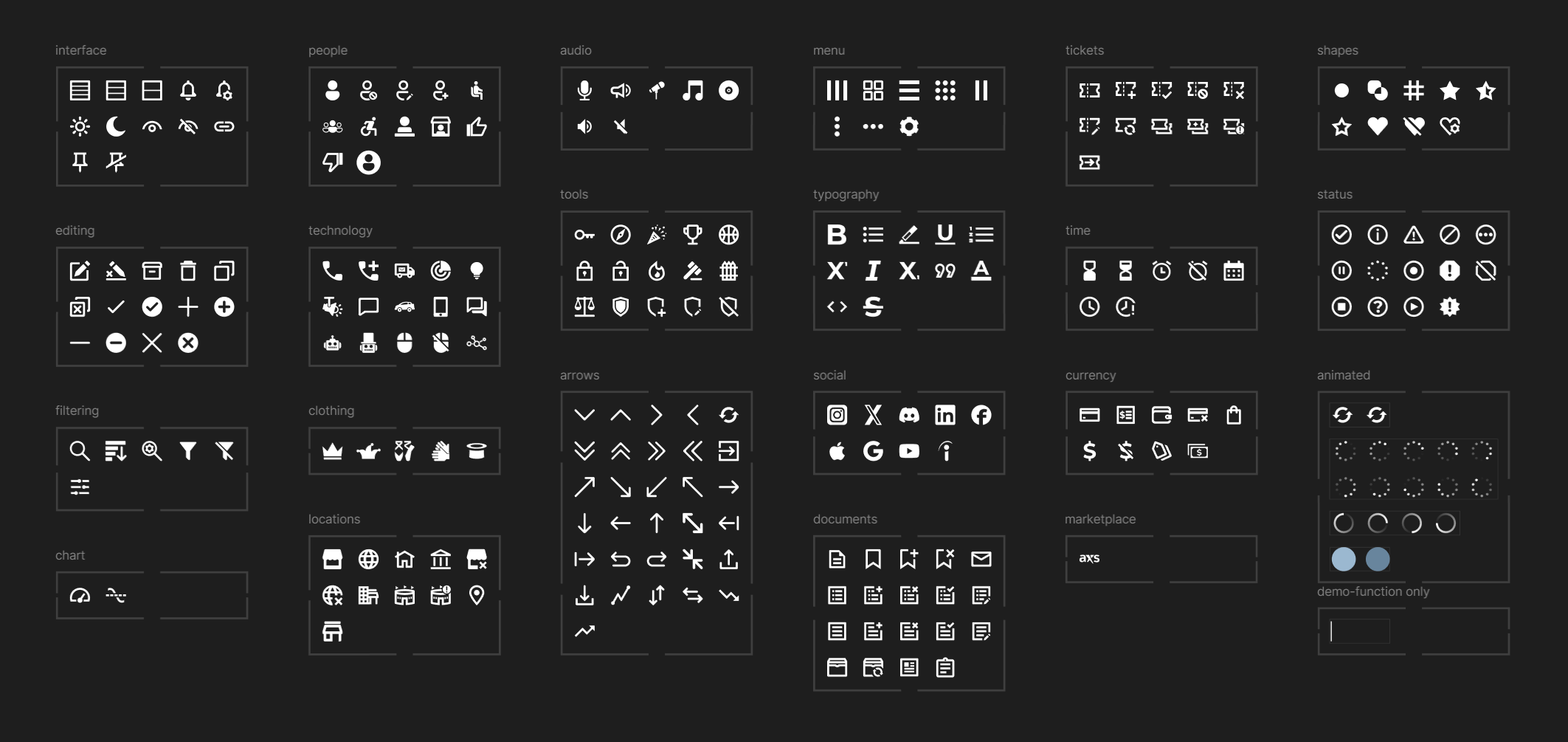
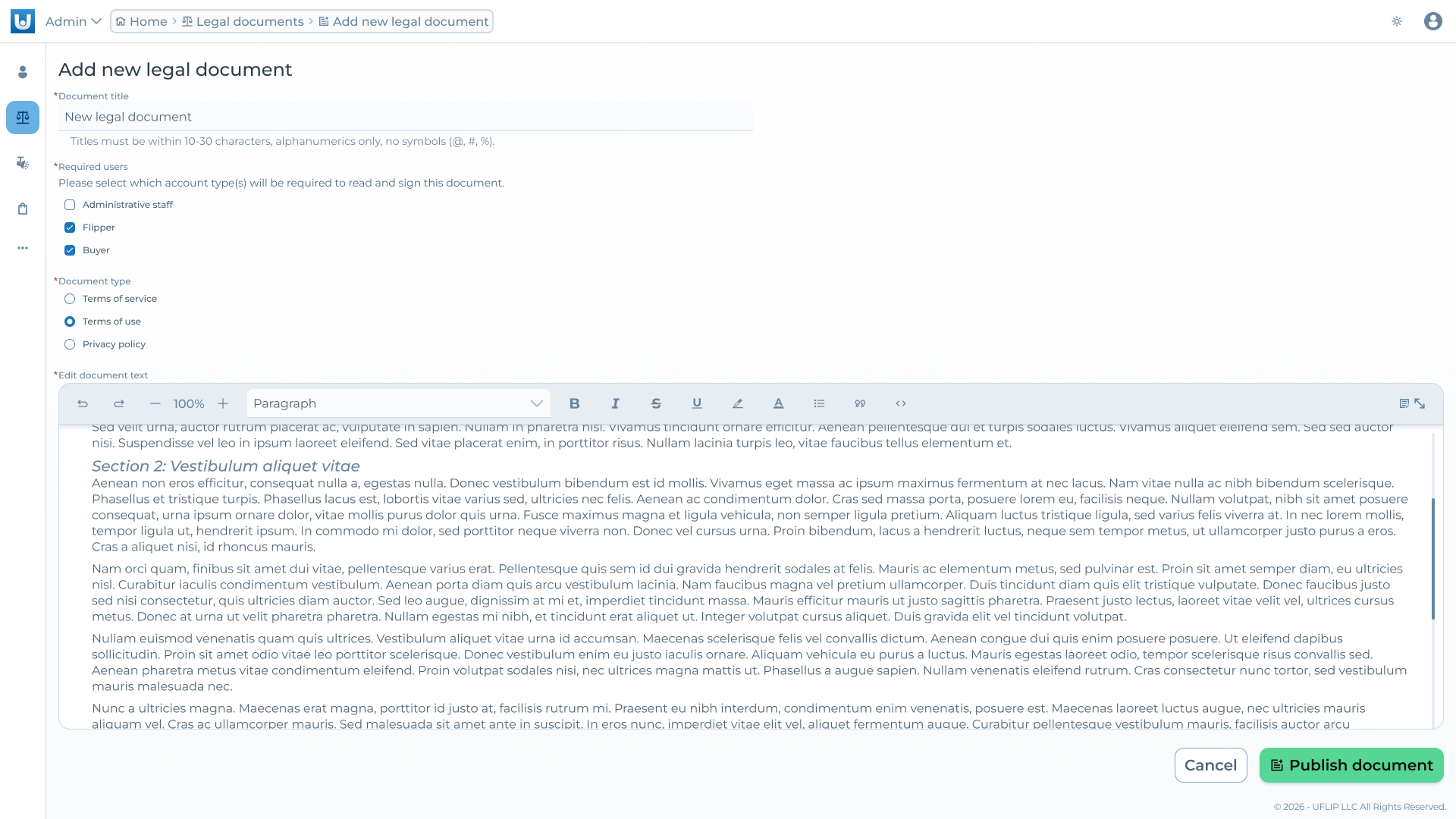
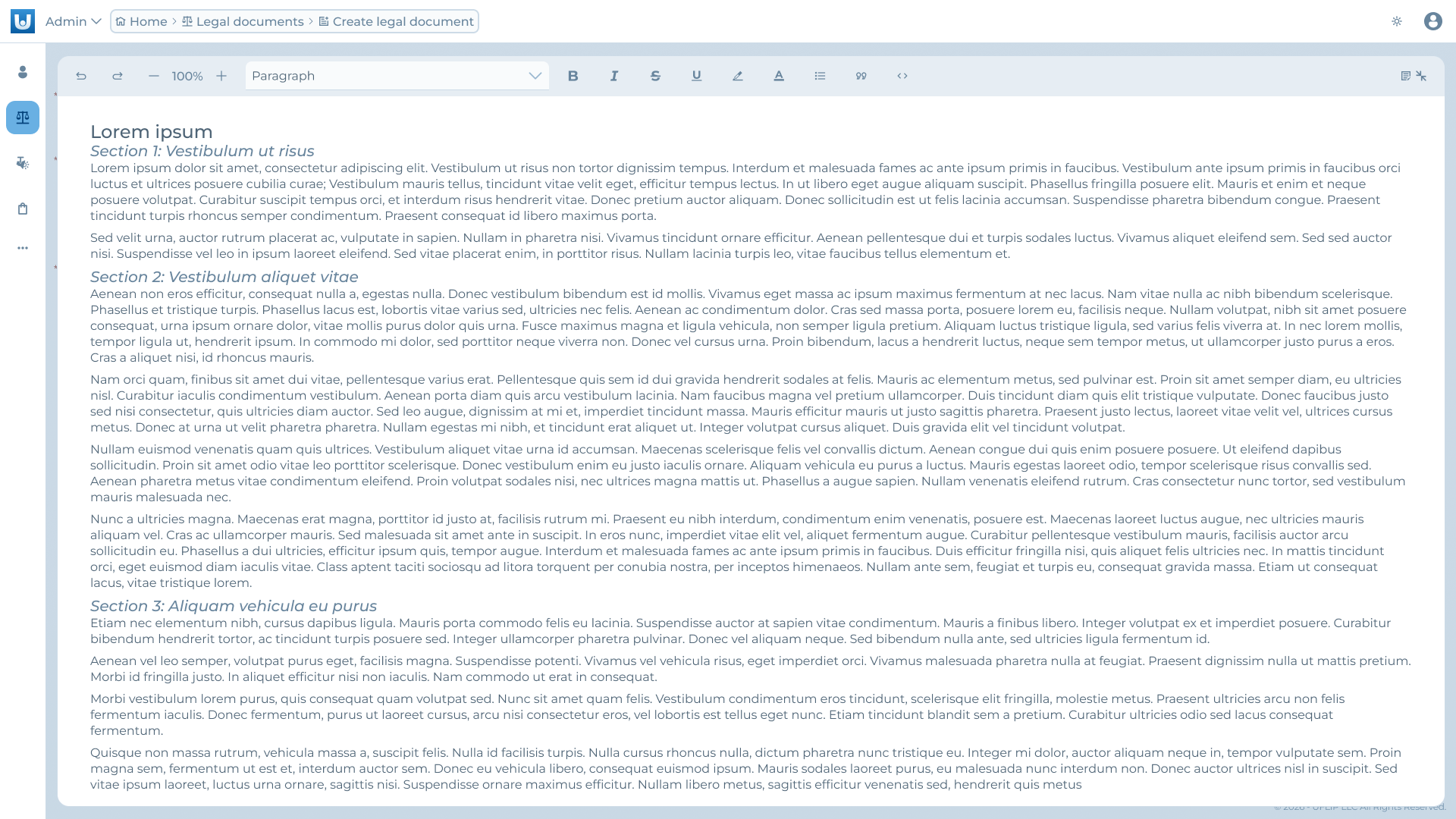
I began the project by identifying the shared components across both ecosystems. After researching and collecting visual and structural references from modern application designs and design systems, I rebuilt all the components in Figma. If a component had to be heavily redesigned, I documented the change and my decision making process.
Over the course of the project, the design team would regularly hold meetings with staff from other departments. The design team’s goal was to gain insight on how they and our users interact with UFLIP’s applications. We investigated the issues that prevented them from using the applications effectively and worked to remove them from UFLIP's systems. Their feedback was integrated into the redesign of the components and the visual styling of the design system.
By May 2026, I generated over 800 components and organized them in one Figma file. This file became UFLIP's source of truth for its' Admin and Client applications, allowing both designers and developers to quickly reference values and build applications.